
June 12, 2026
Plumbing leaks can cause significant damage to homes and lead to costly repairs. Understanding the common causes of these leaks can help homeowners prevent them. Recognizing these issues early can save homeowners substantial time and money. When dealing with persistent plumbing issues, hiring a professional handyman service can ensure the job is done correctly. Taking proactive measures helps maintain your home's value and structural integrity.
According to This Old House, the average home leaks about 10,000 gallons of water each year. This staggering statistic highlights the importance of regular home maintenance and timely plumbing repairs. Small drips can quickly turn into massive water bills and hidden structural damage. Fortunately, an experienced handyman service can inspect your system and fix minor issues before they escalate.
1. Corrosion of Pipes
Signs of Pipe Corrosion
Pipe corrosion is often a silent offender in housing leaks, with damage occurring long before noticeable signs appear. Initial indicators include discoloration of water, an unusual metallic taste, or staining around fixtures. Over time, corrosion leads to small pinhole leaks that often go unchecked. A key visual clue is the presence of greenish or bluish stains around copper pipes or reddish-brown marks on steel. Homeowners should be vigilant for these signs to prevent further water damage.
Common Causes of Corrosion
Corrosion is commonly caused by chemical reactions between the pipe material and the water or soil exposed to it. Acidic water with a low pH can accelerate the corrosion process, as can high levels of dissolved oxygen. Another contributing factor is galvanic corrosion, which occurs when two different metals come into contact in the presence of water. Certain soil conditions, like those with high chloride content, can also exacerbate the problem. Understanding these causes can help in planning preventative measures to avoid leaks from corroded pipes.
Materials Prone to Corrosion
Different materials have varying levels of susceptibility to corrosion over time. Metal pipes, such as copper and galvanized steel, are more prone to corrosion compared to plastic alternatives like PVC or PEX. Copper, while commonly used for its durability, can still be vulnerable in areas with highly acidic water. Galvanized steel pipes, often found in older homes, are notorious for rusting internally and causing eventual leaks. Knowing the material makeup of your home’s plumbing can aid in early detection and management.
2. High Water Pressure
Effects of Excessive Pressure
Water pressure levels in a home are crucial to the longevity and efficiency of plumbing systems. Ideally, residential water pressure should be kept between 40 and 60 psi. Pressure exceeding 80 psi can lead to increased stress on plumbing systems, often culminating in leaks or ruptures at weak points. Homes operating with high water pressure are more prone to wear and deterioration of seals and joints. Routine checks with a water pressure gauge can help maintain these levels within the optimal range.
Identifying High Water Pressure Signs
Several indicators can alert homeowners to abnormally high water pressure within their system. Notably, a sudden increase in noise levels of flowing or slamming pipes, commonly known as water hammer, is a warning sign. Frequent leaks, despite timely repairs, or rapid wear and tear of fixtures also suggest too much pressure build-up. Additionally, water that uses excessive force when exiting taps is another strong indicator of high pressure. Addressing excessive pressure promptly is necessary to conserve water and reduce costly repairs.
Solutions to Control Pressure
To control and maintain appropriate water pressure, the installation of a pressure-reducing valve is recommended. These valves adjust the pressure entering the home, ensuring it remains within safe levels. Routine maintenance on this valve will secure its effectiveness over the long term. Incorporating water pressure regulators on individual appliances prone to damage can provide extra protection. Consistent monitoring ensures these measures continue to function correctly, ultimately aiding in leak prevention.
3. Tree Root Intrusions
How Tree Roots Affect Plumbing
Tree roots naturally seek out moisture sources, which makes underground sewer and water lines an attractive target. As roots grow and enter pipes through small openings or joints, they expand and create severe blockages. This internal expansion builds pressure that can lead to cracks and total ruptures in the lines. Left unaddressed, root-related damage necessitates extensive and costly excavation repairs. Homeowners should track nearby tree growth to protect their utility lines.
Signs of Root Intrusions
Indicators of tree root intrusion include slow drains, gurgling noises, or recurring clogs throughout the house. Backed-up sewage in the yard or unusually wet, green patches of grass can suggest that elements of the plumbing are compromised. A sudden and unexplained spike in water or sewage bills might also hint at undetected root leaks. Utilizing camera inspections can confirm the presence of root infiltration within pipes. Noticing these signs early facilitates faster and more efficient resolutions.
4. Shifting and Settling Foundations
Impact of Soil Movement on Plumbing
The shifting or settling of a home’s foundation can have significant repercussions on underlying plumbing systems. As soil moves, it can pull plumbing pipes apart, leading to joint separations and subsequent leaks. Movement can also bend or crack rigid pipes, especially if they are improperly buffered against foundation slabs. The stress from these shifts increases susceptibility to major leaks and can cause extensive structural damage over time. Understanding the connection between soil stability and plumbing health is vital for maintaining system integrity.
Identifying Foundation-Related Leaks
The signs of foundation-related leaks include unexplained wet spots on floors or irregularities in water pressure throughout the home. Cracks in walls, ceilings, or concrete floors near plumbing lines are often indicative of foundational shifts affecting pipe integrity. Residents might also notice an increase in water bills without a corresponding rise in usage, suggesting unseen slab leaks. Inspection of exterior brickwork for fissures and gap expansion can reveal shifting indicators as well. Recognizing these signs can prompt timely investigations and repairs, mitigating potential water damage.
5. Deterioration of Seals and Joints
Role of Seals and Joints in Plumbing
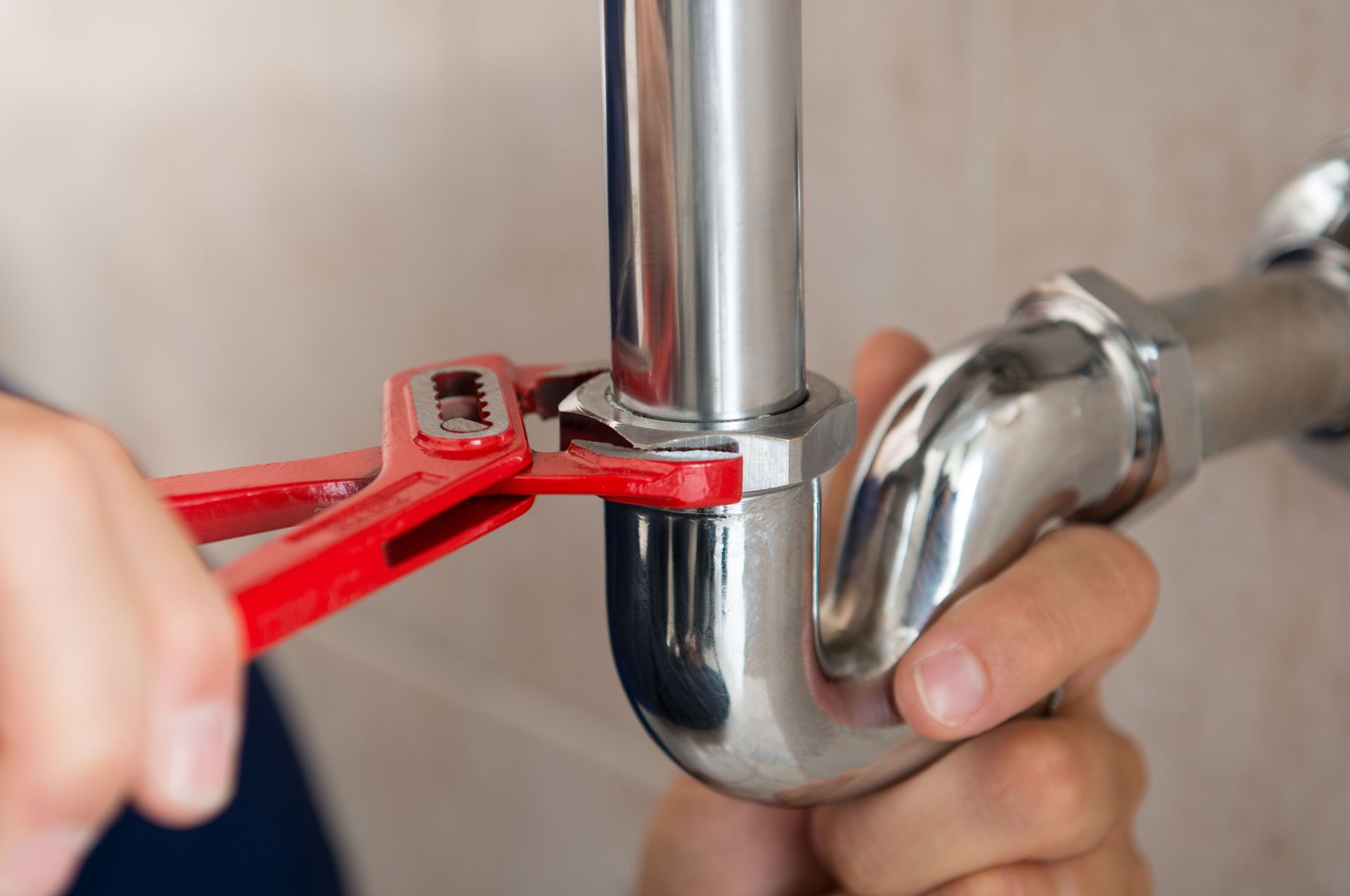
Seals and joints are indispensable to any plumbing infrastructure, serving as critical connection points within pipe networks. They ensure the secure attachment of pipes, preventing leaks and maintaining overall system integrity. Over time, however, these components undergo wear due to thermal expansion, pressure changes, and environmental exposure. The deterioration of these connections often leads to stubborn leaks and requires timely maintenance. Understanding the pivotal role seals and joints play enables the identification and resolution of issues before they result in significant water damage.
Signs of Wear and Tear
The signs of wear in plumbing seals and joints include dripping at connection points and noticeable moisture accumulation around fittings. Corrosion or rust marks, especially in metal joints, may also indicate degradation of the underlying seal. Unusual noises such as hissing or vibration near joints suggest weakened connections under stress. Increased water usage or pressure drops without a visible cause can pinpoint hidden issues in these vital connecting components. Proactively monitoring for these signs aids in early identification and mitigating larger system complications.
By understanding the common causes of plumbing leaks—such as corrosion, high water pressure, root intrusions, foundation shifts, deterioration of seals, and clogs—homeowners can take preventative steps to protect their properties. Implementing regular maintenance, timely inspections, and informed decisions on plumbing materials can significantly reduce the risk of unexpected water damage. By addressing these underlying issues promptly, you can ensure your plumbing system remains in top condition for years to come. If you lack the time or tools for regular upkeep, scheduling a recurring handyman service can keep your home safe, efficient, and leak-free. For more information, contact Handyman & Maintenance Services LLC.