
March 20, 2026
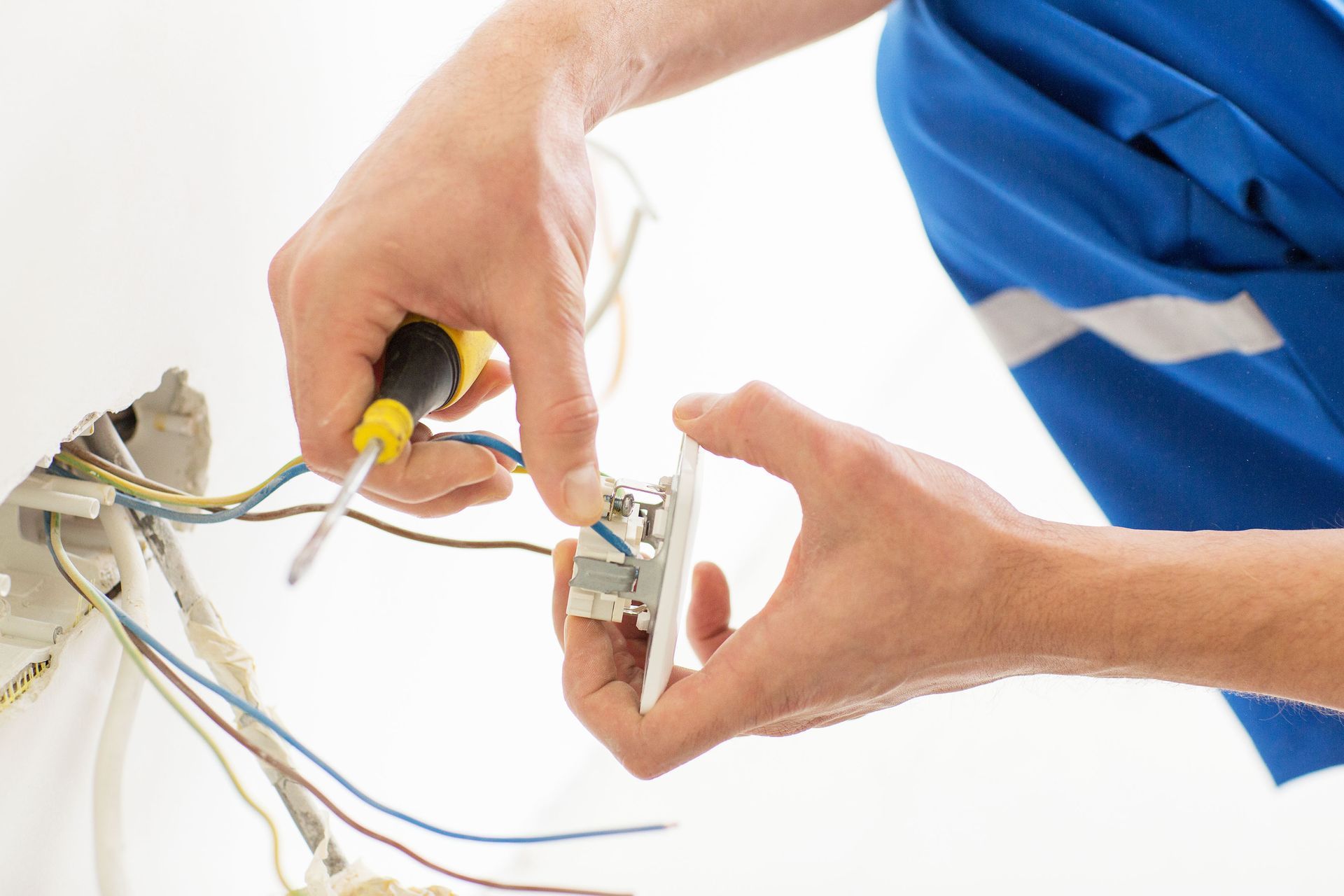
Understanding the warning signs of electrical issues in your home is essential for safety and avoiding costly damage. Homes rely on electricity for daily living, and even minor electrical problems can escalate into serious hazards if left unchecked. Recognizing early indicators allows homeowners to take proactive steps and secure timely assistance from professionals. Observing the following signs can help maintain a safe, functional, and energy-efficient household. Immediate attention not only reduces fire risk but also extends the lifespan of appliances and electrical infrastructure.
1. Monitor Frequent Circuit Breaker Trips
Frequent circuit breaker trips often signal an overloaded electrical circuit. This usually happens when too many devices draw power simultaneously from the same line. According to This Old House, older homes often run on 60 amp to 100 amp service, making them more prone to overloads when modern devices are added. Other causes can include faulty appliances or short circuits. Homeowners should determine whether breaker trips are isolated incidents or indicative of systemic electrical concerns.
Persistent breaker trips carry multiple risks, including fire hazards and damage to electronics. Resetting a tripping breaker repeatedly without addressing the root cause may deteriorate wire insulation, creating dangerous conditions. Sensitive devices may experience surges, reducing performance and causing long-term damage. Over time, components of the electrical panel can degrade, necessitating professional assessment. Using a handyman service to evaluate and address recurring trips ensures safety and prevents costly repairs.
Identifying overloaded circuits involves reviewing connected devices and their power requirements. Homeowners should avoid running high-demand appliances on the same circuit simultaneously. Labeling circuits and redistributing devices can prevent overloading. Regularly monitoring household energy usage provides insights into potential stress points. Simple adjustments can significantly reduce the risk of trips and keep electrical systems functioning efficiently.
2. Observe Flickering or Dimming Lights
Flickering or dimming lights are common indicators of underlying electrical problems. Causes may range from loose bulb connections and faulty switches to corroded wiring or failing components in the home’s electrical system. Inconsistent light levels can sometimes result from incorrect bulb wattage. Determining whether flickering occurs in a single area or throughout the house can help identify whether the issue is localized or systemic.
To diagnose light fluctuations, start by noting whether the issue affects one fixture, one room, or multiple areas. Singular problems often point to faulty fixtures, while widespread flickering typically suggests wiring issues. Older wiring systems may struggle to accommodate modern electrical loads, causing intermittent power disruptions. Documenting when flickering occurs helps electricians trace and resolve the root cause more effectively. Consulting a handyman service for inspection ensures that your lighting is safe and reliable.
Unstable lighting can impact more than illumination; it can stress sensitive electronics. Appliances like refrigerators, HVAC units, or entertainment systems may draw significant power, creating voltage fluctuations that dim lights. Over time, these fluctuations can increase energy costs and shorten appliance lifespan. Taking early action prevents further electrical strain and ensures a balanced, consistent flow of power throughout your home.
3. Check for Warm or Discolored Outlets
Warm or discolored outlets are clear warning signs of electrical complications, often related to overheating. Outlets that feel hot to the touch or exhibit browning indicate sustained high temperatures or minor electrical burns. Ignoring these symptoms can escalate into serious fire hazards. Prompt attention is crucial to avoid accidents and protect your household.
Heat buildup in outlets is often caused by poor-quality wiring, overloaded circuits, or deteriorating connections. Older materials may not handle the electrical demands of today’s appliances. Routine monitoring of outlet temperature can detect problems before they worsen. If outlets are consistently warm, unplugging devices and calling a handyman service for professional evaluation is advised. Upgrading outlets and wiring may be necessary to meet modern energy demands safely.
Discolored or overheated outlets are potential fire risks that should not be ignored. A noticeable smell of burning or smoke is a critical warning sign that demands immediate attention. Regular inspections help maintain compliance with current electrical safety standards and identify risks early. Installing Ground Fault Circuit Interrupters (GFCIs) in kitchens, bathrooms, and other moisture-prone areas adds a layer of protection. Integrating these checks into routine maintenance reduces hazards and ensures a safer environment.
4. Detect Burning Smells or Sparks from Outlets
A burning odor or sparks from outlets indicates a serious electrical hazard. Sparks may result from short circuits, overloaded lines, or loose wire connections. A burning smell usually points to overheating or insulation breakdown. Ignoring these signs significantly increases the risk of fire, emphasizing the importance of immediate intervention.
Recognizing electrical burn symptoms involves observing odors, scorch marks, or unusual heat around outlets. Older homes or those relying heavily on extension cords may be particularly vulnerable. Proactive evaluation by a handyman service can identify outdated wiring or stressed circuits and ensure repairs comply with safety codes. Prompt attention reduces risks and maintains household safety.
In the event of sparking or burning odors, acting quickly is vital. Cut power at the main breaker or unplug devices before taking further action. Avoid water, which can exacerbate electrical fires; use a dry chemical extinguisher if needed. Following this, a comprehensive inspection by a handyman service or electrician is crucial to prevent recurrence. Adhering to these safety protocols safeguards your home and minimizes potential fire damage.
5. Inspect Frequent Light Bulb Burnouts
Light bulbs burning out more often than usual can indicate underlying electrical problems. Excessive voltage, wiring issues, or fixture-bulb incompatibility may contribute to reduced bulb lifespan. Using bulbs with incorrect wattage can accelerate burnout and create potential hazards. Continually replacing bulbs without addressing these causes may mask more significant electrical issues.
Ensuring fixture compatibility with bulbs is essential. Mismatched wattage can overstrain circuits, particularly in older homes with aging wiring. Evaluating household wiring quality alongside fixture compatibility ensures optimal electrical performance. Regularly consulting a handyman service for inspection allows for corrective measures that enhance bulb durability and safety.
The financial impact of frequent bulb replacement can accumulate over time. While individual bulbs are inexpensive, repeated purchases become costly. Unresolved electrical problems could extend beyond bulbs, affecting appliances and increasing long-term repair expenses. Professional assessment can identify wiring faults, stabilize voltage, and prevent recurring burnouts. Upgrading older systems improves efficiency and reduces unnecessary expenditure.
6. Listen for Buzzing Sounds in Electrical Components
Buzzing or humming sounds from outlets, switches, or fixtures often signal electrical irregularities. Common sources include loose screws, malfunctioning fixtures, or failing components. Such noises suggest unstable electrical flow, potentially from faulty wiring or circuit issues. Ignoring these warning sounds can escalate minor repairs into extensive rewiring needs.
Buzzing indicates potential hazards, including overheating, short circuits, or insulation failure. Recognizing these sounds early and consulting a handyman service reduces the risk of fires and equipment damage. Persistent electrical noise often reflects unmanaged voltage fluctuations that can compromise home safety.
Investigating buzzing sounds requires a careful, stepwise approach. Unplugging devices one at a time can help isolate the source of the noise. A professional handyman service can inspect circuit stability, voltage levels, and component integrity to prevent further damage. Timely intervention ensures that electrical systems remain safe, reliable, and efficient across the household.
Recognizing the common signs of household electrical problems is crucial for keeping your home safe and efficient. Responding promptly with inspections and repairs prevents fire hazards, equipment damage, and costly system failures. As our homes increasingly depend on electricity, proactive care ensures both safety and comfort. When you need a handyman service, reach out to us at Handyman & Maintenance Services LLC!